You slept eight hours. So why do you still feel like you need three more?
It’s a question millions of people ask themselves every morning, and the answer usually isn’t about how long you slept. It’s about how well you breathed while you were sleeping.
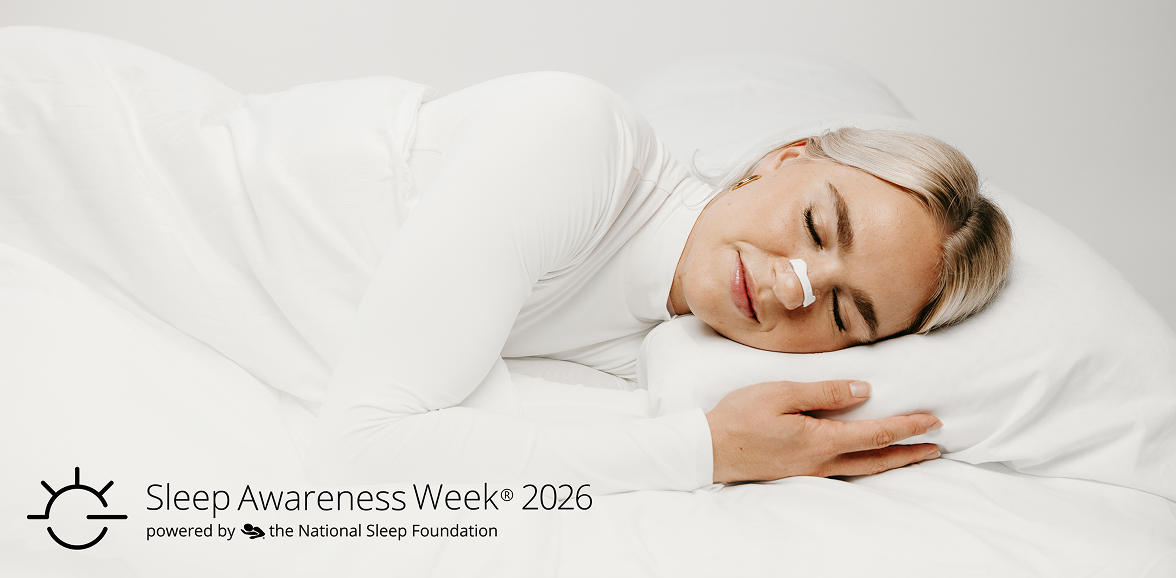
This week marks the National Sleep Foundation’s Sleep Awareness Week®, an annual campaign dedicated to one powerful idea: better sleep changes everything. And we couldn’t agree more. At Intake Breathing, sleep quality has always been at the core of our mission, life-changing breathing, because we know that when you breathe better at night, you wake up ready to take on the day.
This year’s theme is all about becoming your Best Slept Self®. Here are five ways to start making that happen tonight.
1. Prioritize Nasal Breathing During Sleep
Your nose was built for breathing. It filters, warms, and humidifies the air before it reaches your lungs, none of which happens when you breathe through your mouth.
Nasal breathing during sleep helps keep your airway stable, reduces snoring, and supports the deeper sleep stages where real recovery happens. Mouth breathing, on the other hand, often leads to dry mouth, disrupted sleep, and that heavy, unrested feeling in the morning.
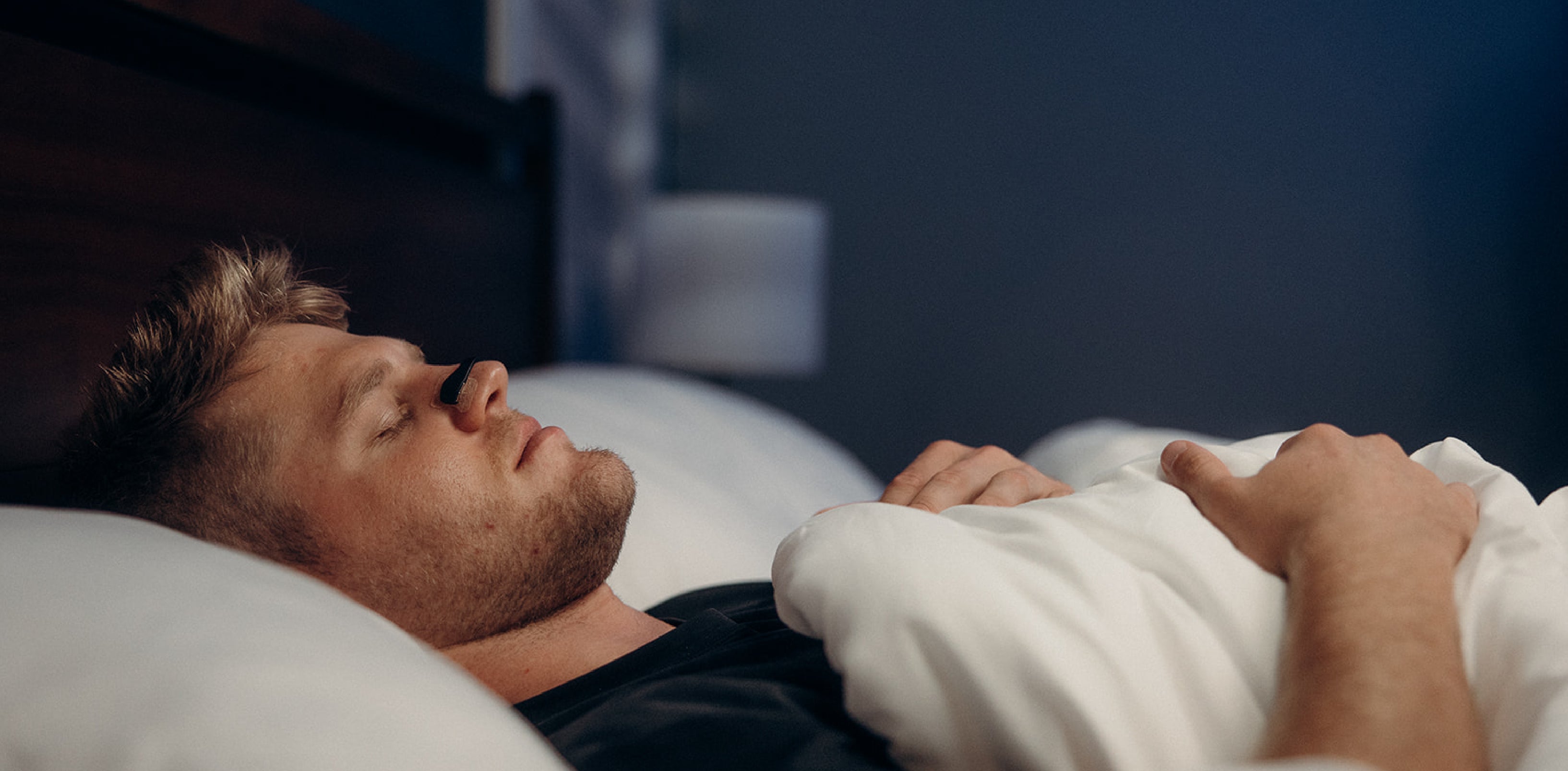
If nasal breathing feels difficult at night, whether from congestion, allergies, or a deviated septum, that’s a signal your airways might need a little support. Intake Breathing’s magnetic nasal strips are designed to gently open your nasal passages and hold securely all night, so you can breathe through your nose the way your body was designed to.
In a SleepScore Labs study covering more than 840 nights of data, 96 percent of users said it was easier to breathe through their nose, and 88 percent reported deeper, more restful sleep.

2. Build a Wind-Down Routine That Actually Works
Sleep doesn’t start when your head hits the pillow. It starts with how you spend the 30 to 60 minutes before bed.
Your brain needs a signal that it’s time to shift gears. Bright screens, work emails, and doom-scrolling all keep your nervous system in alert mode, making it harder for your body to settle into rest.
A few adjustments that make a real difference: dim the lights in your home about an hour before bed, swap your phone for a book or low-key podcast, and keep the room cool. These aren’t complicated changes, but when practiced consistently, they train your body to recognize when it’s time to wind down.
3. Pay Attention to How You Breathe Before Bed
Slow, controlled nasal breathing before sleep helps activate your parasympathetic nervous system. The body’s built-in calm-down mode. It lowers your heart rate, eases muscle tension, and quiets the mental noise that keeps so many people staring at the ceiling.
Try this simple technique: inhale through your nose for 4 seconds, exhale through your nose for 6 seconds, and repeat for 3 to 5 minutes. Keep your jaw relaxed and shoulders soft. It’s a small habit that can reshape how quickly and deeply you fall asleep.
4. Think About What You Eat and When
Heavy meals close to bedtime can increase congestion, trigger discomfort, and make it harder for your body to breathe easily while you sleep. Spicy foods and large portions late at night are especially disruptive for people who already deal with snoring or nasal congestion.
A practical guideline: try to finish your last substantial meal at least two to three hours before bed. If you need a snack later, keep it light. Many people find that lighter evenings lead to fewer overnight breathing disruptions and a more restful morning.

5. Use the Right Tools to Support Better Breathing
Sometimes better sleep isn’t about willpower; it’s about setting yourself up with the right support.
Intake Breathing nasal strips work by gently pulling the nasal passages open from the outside, creating up to 80 percent more nasal airflow compared to other nasal strips. With 92 percent of users reporting instant relief from sinus pressure and congestion, the impact is real and immediate. They stay on all night with patented magnetic technology, so you don’t have to worry about a strip peeling off halfway through the night.
Whether you’re training hard during the day or recovering while you sleep, consistent nasal airflow makes a measurable difference.
For habitual mouth breathers, pairing a nasal strip with Intake Breathing mouth tape can further encourage nasal breathing throughout the night. The mouth tape is skin-safe, comfortable, and designed to stay secure without feeling restrictive, helping your body stay with nose breathing while you rest.

Why Sleep Awareness Week® Matters
The National Sleep Foundation created Sleep Awareness Week® to emphasize a truth that’s easy to overlook: sleep is foundational to everything. Your energy, focus, mood, recovery, and long-term health all depend on how well you rest.
And yet, so many of us accept poor sleep as normal. We power through the fatigue, rely on caffeine, and tell ourselves we’ll catch up over the weekend. The reality is that sleep debt compounds, and the earlier you address the root cause, the better you’ll feel.
For many people, the root cause is simpler than they think. It’s not a complicated condition or a need for medication. It’s the way they breathe at night.
Your Best Slept Self Starts Tonight
You don’t need a complete life overhaul to sleep better. You need small, consistent changes that support how your body naturally rests and recovers. Breathe through your nose. Create a calm environment. Give your body the tools it needs to do what it already knows how to do.
This Sleep Awareness Week®, we’re joining the National Sleep Foundation’s mission to help everyone be their Best Slept Self®. Because when you sleep better, you breathe better—and when you breathe better, you can truly be your best.
Ready to feel the difference? Try Intake Breathing and start sleeping the way your body was designed to.

Sleep Awareness Week® is a registered trademark of the National Sleep Foundation. Learn more at thensf.org/sleep-awareness-week.