If you wake up with a dry mouth, a sore throat, or that heavy, foggy feeling even after a full night in bed, you’re not imagining it. A lot of sleep problems are not about how many hours you get. They’re about how well your body actually rests.
Here are 5 simple, realistic tips you can try tonight.
1. Limit screens before bedtime
Let’s be honest, sometimes your feed is too good to leave. The trending topic is exploding, or the group chat is on fire. The FOMO is real. But so is the grogginess when your alarm goes off.
Phones, tablets, and TVs don’t just entertain you; they keep your brain switched on. Bright screens and fast-paced content make it harder for your body to transition into sleep mode.
If possible:
- Put screens away at least 30 minutes before bed
- Dim lights and choose calmer activities instead
- If you must use a device, lower brightness and use night mode
2. Use nasal strips for sleep to improve nighttime airflow

If your nose feels blocked, your body often defaults to mouth breathing, and that can worsen snoring, dry mouth, and recovery.
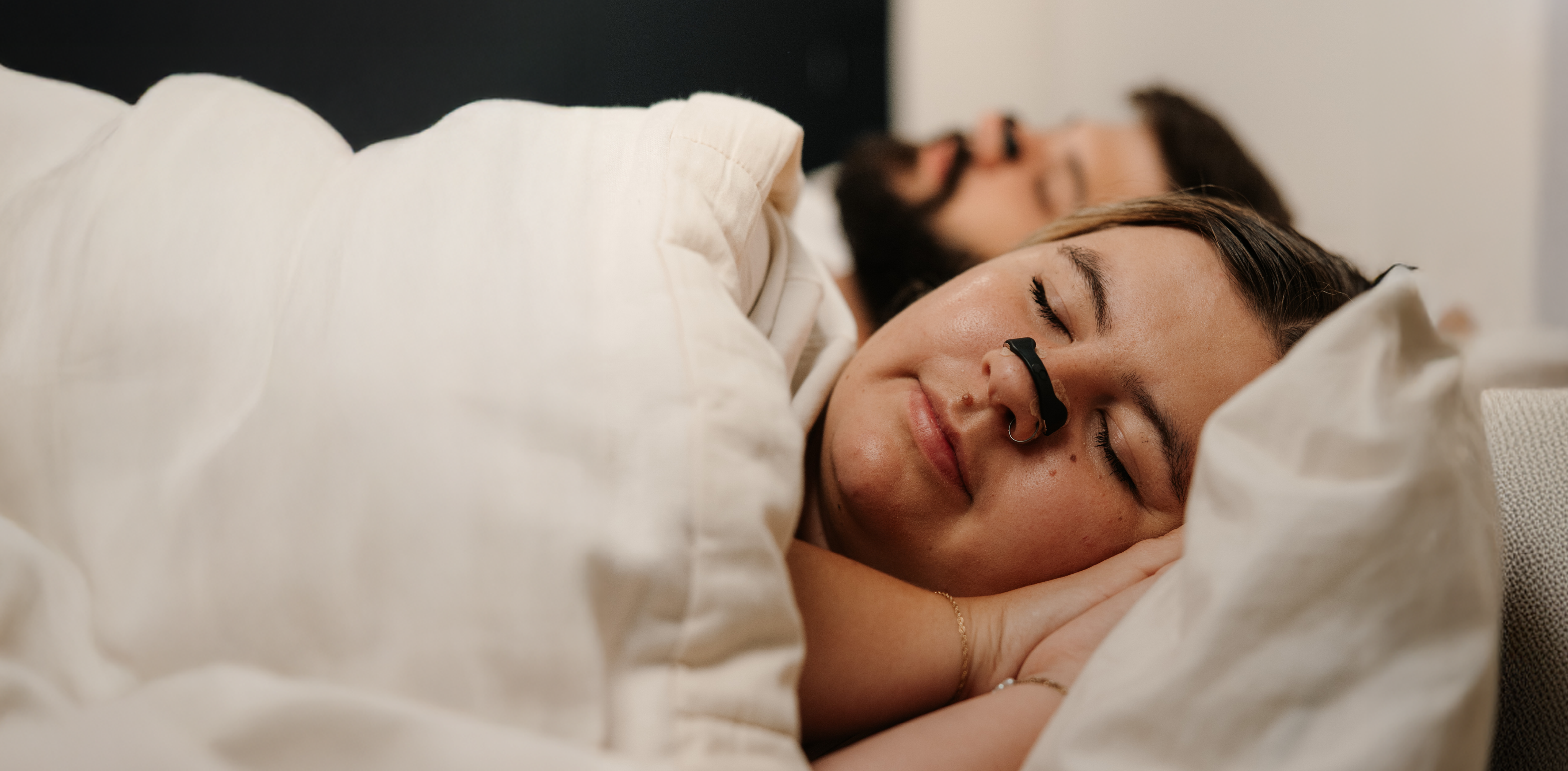
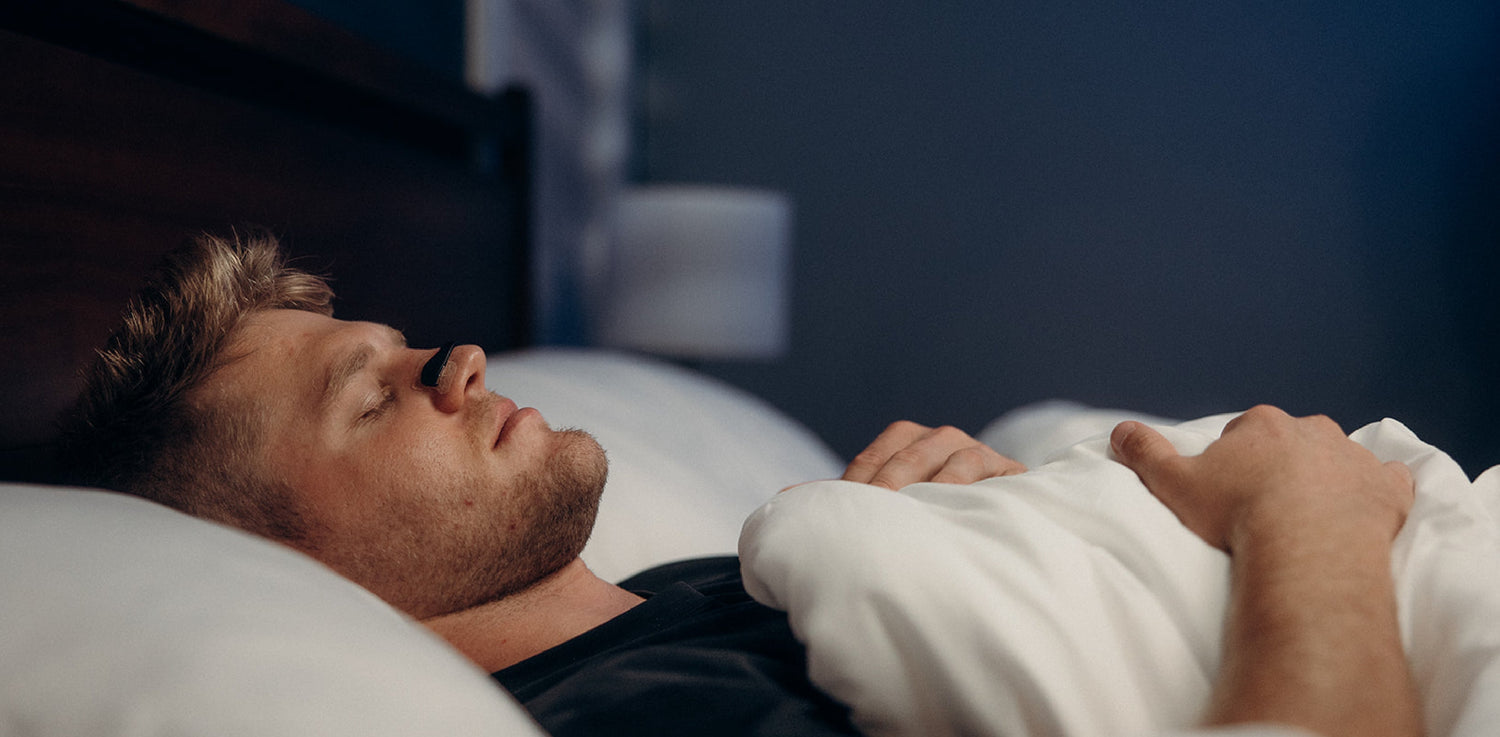
A good nasal strip for sleep gently opens the nasal passages, so nasal breathing during sleep feels easier. Intake Breathing Nasal Strips are designed to hold securely and support airflow overnight.
In a SleepScore Labs analysis of more than 840 nights of sleep, 96 percent of users said it was easier to breathe at night when using Intake Breathing magnetic nasal strips.
How to try it tonight:
- Clean and dry your nose so the adhesive works better
- Apply as directed
- Take a few slow nasal breaths before lights out
3. Breath exercise
How you breathe before bed sets the tone for how your body settles into sleep. Slow, quiet nasal breathing helps your nervous system shift out of day mode and into rest.
Try this simple exercise:
- Inhale through your nose for 4 seconds
- Exhale through your nose for 6 seconds
- Repeat for 3 to 5 minutes while sitting or lying down
Keep your jaw relaxed and shoulders soft. This kind of breathing can help calm racing thoughts and make it easier to fall asleep naturally.
4. Skip late-night overeating
Eating too close to bedtime can make sleep feel uncomfortable and restless. Heavy or late meals may increase congestion, pressure, or reflux like sensations, especially if you already deal with snoring or mouth breathing.
A few gentle adjustments:
- Aim to finish larger meals 2 to 3 hours before bed
- If you need something later, keep it light
- Avoid spicy or very heavy foods late at night
Many people notice that lighter evenings lead to easier breathing and fewer overnight disruptions.
5. Try mouth tape to reduce mouth breathing
For habitual mouth breathers, mouth tape can be a simple way to encourage nasal breathing during sleep. By gently keeping the lips closed, it helps reinforce nose breathing and may reduce snoring and dry mouth at night.
Intake Breathing mouth tape for sleep is designed specifically for this purpose. It is skin-safe, comfortable, and made to stay secure without feeling restrictive.
A few important notes:
- Start with a short test while awake
- Only try mouth tape if ytou can breathe comfortably through your nose
- Use a skin-safe tape made for sleep, such as Intake Breathing mouth tape, which is designed to be gentle on skin and easy to remove. Avoid using random household tape.
When used thoughtfully, mouth tape can support better sleep breathing without medication or invasive solutions by helping your body stay with nasal breathing throughout the night.
Key Takeaways
- When sleep isn’t restorative, it often affects your energy, focus, and mood the next day, making daily life feel harder than it should.
- Small, consistent habits can improve sleep quality more effectively than drastic or complicated routines.
- Supporting nasal breathing can reduce nighttime disruptions and help you feel calmer and more rested.
Final Thoughts
Keep trying the habits that feel supportive, and don’t get discouraged if progress feels gradual. Better sleep is built over time, not overnight. And if simple tools like Intake Breathing help make breathing feel easier along the way, they can be part of creating a routine that actually feels sustainable, one better night at a time.