At Intake, we’re always looking for ways to better understand the effect our product has on the body, not just through user feedback, but through measurable, objective data.
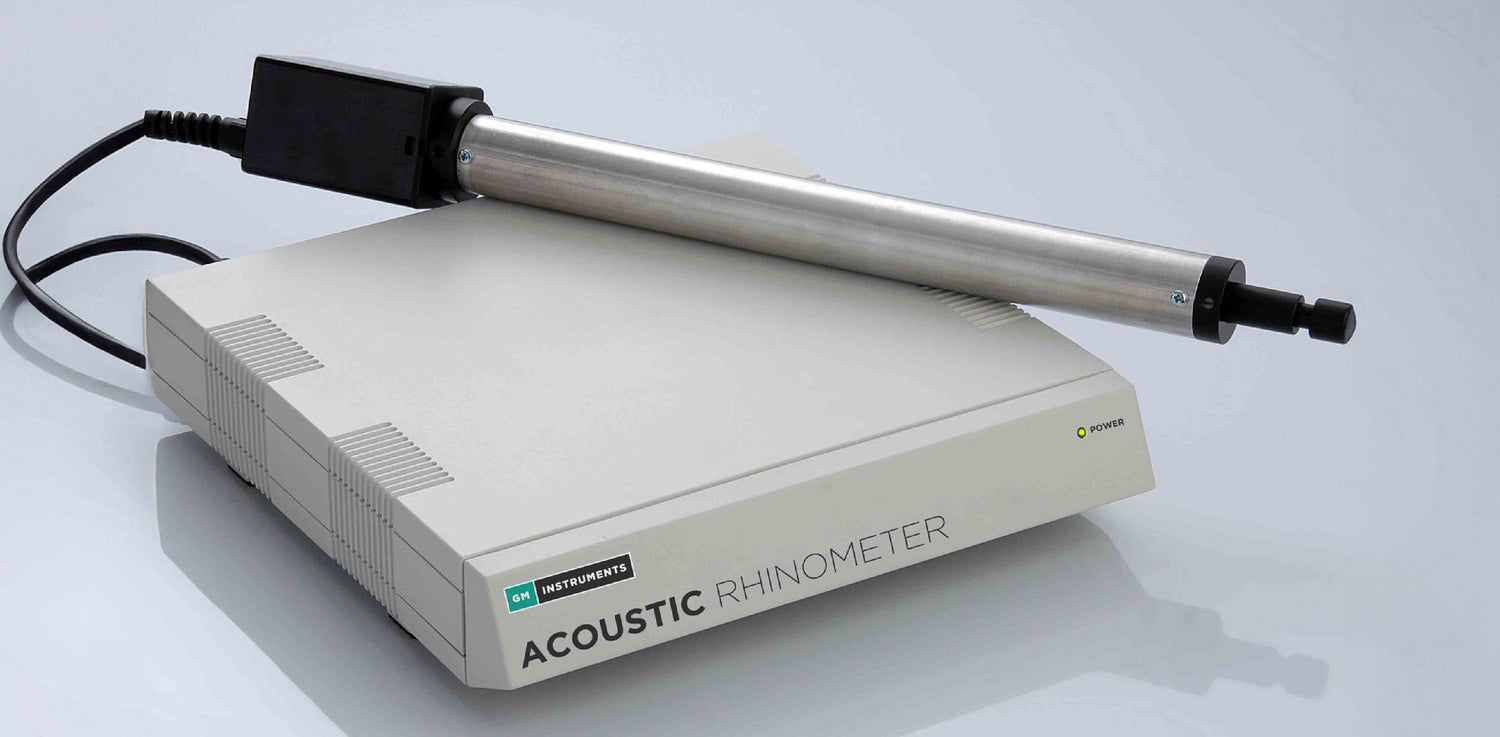
Recently, we ran a small internal case study using a tool called an acoustic rhinometer, which allowed us to measure changes in the nasal airway before and after applying the Intake strip.
What Is a Rhinometer?
A rhinometer uses sound waves to measure the shape and size of the nasal passage. It provides objective data on:
- Nasal cavity volume — the amount of physical space available for airflow, measured in cubic centimeters (cc)
-
Cross-sectional surface area — how open the narrowest parts of the airway are, measured in square centimeters (cm²)
These measurements are commonly used by ENTs, allergists, and sleep specialists to evaluate nasal obstruction.
How We Measured It

We partnered with an external physician to conduct a series of pre- and post-application measurements using acoustic rhinometry.
Participants had their nasal cavity volume and surface area measured on both nostrils:
- Without the Intake strip
- With the Intake strip applied
The goal was to observe how Intake affects the structure of the nasal airway in real time.
What We Found

On average, across both nostrils, Intake produced the following measurable changes:
- 64.2% increase in nasal cavity volume
-
103.2% increase in cross-sectional surface area
These findings suggest that Intake physically widens the nasal passages — aligning with what many users report experiencing.
Why It Matters

When the nasal airway is more open, air can move through the nose with less restriction. While this study didn’t assess long-term or behavioral outcomes, increased nasal cavity volume and surface area may support:
- More efficient airflow
- Reduced resistance during sleep or exercise
-
Greater comfort for individuals with nasal congestion or structural narrowing
These results provide a useful starting point for understanding how Intake interacts with the airway on a structural level.
Building on This Work
This was an early-stage case study conducted with an external physician using rhinometry to observe structural changes in the nasal cavity. For those interested in outcome-based data, you can also explore findings from our third-party sleep study with SleepScore Labs, which focused on sleep quality and breathing comfort.
We’ll continue investing in both user experience and measurable outcomes, because breathing better starts with a better understanding of what’s really happening.